
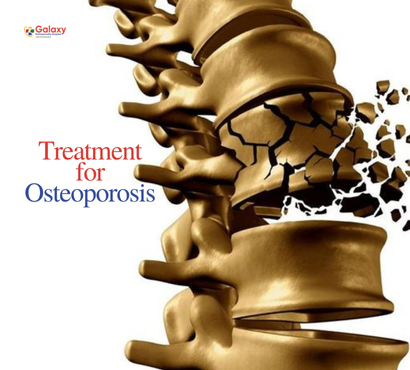
Osteoporosis is a silent yet serious condition that weakens bones, making them fragile and more prone to fractures. It is a progressive disease that primarily affects older adults, especially postmenopausal women. The loss of bone density can lead to fractures, particularly in the hip, spine, and wrist, which can significantly impact mobility and quality of life.
With early diagnosis and proper treatment, osteoporosis can be managed effectively. But what is the best and safest treatment? In this blog, we will explore various treatment options, lifestyle modifications, and preventive measures that can help strengthen bones and reduce fracture risk.
Understanding Osteoporosis
Osteoporosis occurs when bone resorption (breakdown) outpaces bone formation, leading to porous, weak bones.
Common Symptoms of Osteoporosis
- Frequent fractures (especially in the hip, spine, or wrist)
- Loss of height over time
- Stooped posture (kyphosis or hunchback appearance)
- Back pain due to vertebral fractures
- Weak grip strength
Who is at Risk?
✔ Women after menopause (due to estrogen decline)
✔ People over 50
✔ Family history of osteoporosis
✔ Low calcium and vitamin D intake
✔ Sedentary lifestyle
✔ Excessive alcohol and smoking habits
Now, let’s dive into the best and safest treatment options for osteoporosis.
Best and Safest Osteoporosis Treatments
1. Medications for Osteoporosis
Doctors prescribe medications to slow bone loss, strengthen bones, and reduce fracture risk. Some of the safest and most effective medications include:
A. Bisphosphonates (First-Line Treatment)
These drugs slow down bone loss and increase bone density. Common options include:
- Alendronate (Fosamax) – Taken weekly
- Risedronate (Actonel) – Taken weekly or monthly
- Ibandronate (Boniva) – Taken monthly or as an injection
- Zoledronic Acid (Reclast) – Given as an annual IV infusion
🔹 Are bisphosphonates safe?
Yes, but long-term use (beyond 5 years) can increase the risk of atypical fractures and jaw osteonecrosis. Doctors monitor patients to ensure continued safety.
B. Denosumab (Prolia) – Alternative for Bisphosphonates
- A monoclonal antibody given as an injection every 6 months.
- Reduces bone breakdown and improves density.
- Suitable for patients who cannot tolerate bisphosphonates.
🔹 Safety Concerns?
Mild side effects include fatigue and skin infections, but it is generally safe with regular monitoring.
C. Hormone Replacement Therapy (HRT) – For Postmenopausal Women
- Estrogen therapy slows bone loss in menopausal women.
- Combined estrogen-progestin therapy (for women with a uterus) is effective but linked to increased risk of breast cancer, stroke, and blood clots.
- Used short-term under medical supervision.
D. Selective Estrogen Receptor Modulators (SERMs) – Alternative to HRT
- Raloxifene (Evista) mimics estrogen’s protective effects on bones without increasing breast cancer risk.
- Best for postmenopausal women at risk of osteoporosis.
🔹 Safe for long-term use?
Yes, but can increase the risk of blood clots and hot flashes.
E. Anabolic Therapy – For Severe Osteoporosis
If bisphosphonates and other treatments fail, doctors may prescribe anabolic agents that stimulate new bone growth:
- Teriparatide (Forteo) – Daily injection for severe osteoporosis.
- Abaloparatide (Tymlos) – Alternative to Teriparatide.
- Romosozumab (Evenity) – Monthly injection for high-risk patients.
🔹 Drawback?
High cost and long-term safety concerns mean these drugs are used only for severe cases.
2. Lifestyle Modifications for Stronger Bones
Along with medications, making lifestyle changes is crucial for osteoporosis management.
A. Nutrition: Boosting Bone Strength 🥦🍊🥛
- Calcium-rich foods: Milk, cheese, yogurt, leafy greens, and almonds.
- Vitamin D sources: Sunlight, fatty fish (salmon, tuna), egg yolks, and fortified foods.
- Protein intake: Essential for bone structure.
- Magnesium and Zinc: Found in nuts, seeds, and whole grains to support bone health.
B. Exercise: Building Bone Strength 🏋️♂️🚶♀️
- Weight-bearing exercises: Walking, jogging, dancing, and aerobics.
- Strength training: Lifting weights improves bone density and muscle strength.
- Balance and flexibility exercises: Yoga and Tai Chi prevent falls and fractures.
🔹 How often should you exercise?
At least 30 minutes, 3–5 times a week.
C. Lifestyle Habits: Avoid These for Better Bone Health
🚫 Smoking – Reduces bone density and calcium absorption.
🚫 Excess alcohol consumption – Interferes with bone-forming cells.
🚫 Caffeine overconsumption – Limits calcium absorption.
3. Fall Prevention: Reducing Fracture Risk
Since osteoporosis increases fracture risk, preventing falls is key:
✔ Use anti-slip mats and proper lighting at home.
✔ Wear supportive footwear to avoid slipping.
✔ Install handrails in bathrooms and stairways.
✔ Regular eye check-ups to avoid vision-related falls.
Osteoporosis is a chronic but manageable condition. The best and safest treatment depends on individual factors like age, severity, and overall health. Medications like bisphosphonates, lifestyle changes, and fall prevention strategies can help maintain bone strength and reduce fracture risk.
If you’re at risk for osteoporosis or experiencing frequent fractures, back pain, or height loss, consult a doctor or orthopedic specialist to start a personalized treatment plan.
✨ Your bones support you—support them back with the right care! ✨
FAQ
1. What is the safest medication for osteoporosis?
Bisphosphonates like Alendronate and Risedronate are considered safe first-line treatments for most people. However, those who cannot tolerate them may use Denosumab or SERMs.
2. Can osteoporosis be reversed?
Osteoporosis cannot be completely reversed, but with proper treatment, exercise, and diet, bone loss can be slowed or even improved in some cases.
3. What is the best natural way to treat osteoporosis?
A balanced diet, weight-bearing exercises, vitamin D supplementation, and lifestyle modifications (like quitting smoking and reducing alcohol) are essential for natural osteoporosis management.